
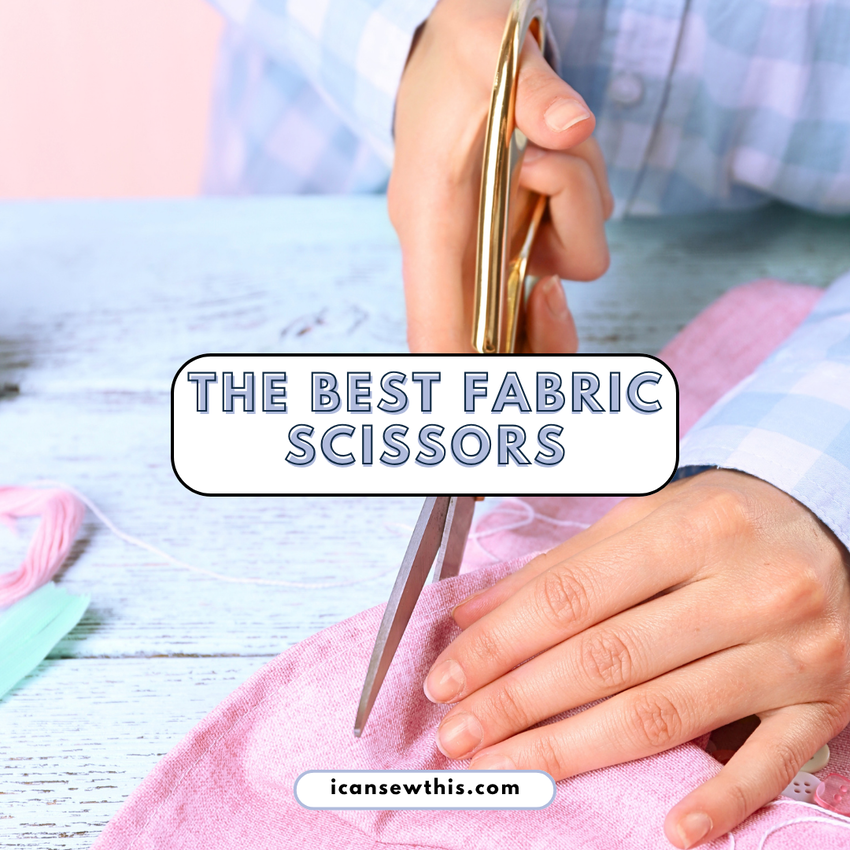
Ask any sewist about their biggest cutting pet peeve, and they will tell you the exact same story: dull blades that chew up expensive linen, drag on slippery rayon, or leave jagged edges right along the seam allowance.
Sewing scissors are precision cutting instruments. Unlike kitchen shears or craft scissors, true fabric shears are ground with specialized edge angles that slice clean through woven threads and stretchy knit loops without pushing the fabric forward.
If cutting out patterns leaves your hands aching or your cut lines looking ragged, it is time for an upgrade. Here is a breakdown of the best fabric scissors on the market, what makes each pair distinct, and how to choose the right fit for your workspace.
Quick-decision comparison: best sewing scissors at a glance
| Model | Best for | Blade length | Handle style | Standout feature |
| Gingher 8″ Knife Edge | Best overall heirloom | 8 inches | Traditional bent metal | Forged chrome steel that resharpens for decades |
| Fiskars 8″ RazorEdge | Best everyday precision | 8 inches | Ergonomic SoftGrip | Honed razor edge with smooth pivot control |
| Singer 8.5″ Comfort Grip | Best budget basic | 8.5 inches | Rubberized ambidextrous | Low cost with comfortable universal grip |
| LIVINGO 9.5″ Heavy Duty | Best budget heavy duty | 9.5 inches | Ergonomic contoured | Titanium-coated forged blades for thick layers |
| Fiskars 10″ Easy Action | Best for hand pain/arthritis | 10 inches | Spring-assisted bent handle | Opens automatically after each cut to stop fatigue |
Scissors vs shears: what is the actual difference?
People use the terms interchangeably, but they are technically two different tools:
- Scissors generally measure 6 inches or shorter, with two equal-sized ring handles. They are meant for trimming seam allowances, clipping thread tails, and snipping curves.
- Shears measure 7 inches or longer. They feature one smaller round loop for your thumb and an elongated bottom loop that fits three to four fingers.
Shears almost always feature a “bent handle.” The bottom blade sits completely flat along your cutting mat while the handle angles upward. This bent profile lets you glide along a table surface without lifting the fabric off the board, keeping your pattern pieces accurate and undistorted.
Related: Best sewing machine for beginners / Beginner sergers that make sewing clothes fast & clean
The 5 best fabric scissors for sewing
1. Gingher 8″ Knife Edge Dressmaker’s Shears: the classic gold standard
If you want an heirloom tool that will likely outlive your sewing machine, Gingher is the undisputed champion. These shears are forged from high-carbon chrome steel, giving them a dense, solid hand-feel that makes slicing through four layers of denim feel effortless.
The knife-ground lower edge slices cleanly right to the very tip. Because the metal is solid forged steel from tip to handle, these shears can be professionally resharpened repeatedly over decades. They even come with a fitted leather sheath to protect the tips inside your sewing drawer.
Best use: Everyday garment construction, tailoring, woven fabrics, and denim
Pros:
- Outstanding edge retention and weight balance.
- Fully resharpenable metal construction that lasts a lifetime.
- Cuts clean and crisp all the way to the tip without fraying threads.
Cons:
- Noticeably heavy, which can tire wrists during marathon cutting sessions.
- Hard metal finger loops lack padding for sensitive fingers.
2. Fiskars 8″ RazorEdge Fabric Scissors: high precision with soft grip
Fiskars took their popular orange-handled concept and upgraded the blade engineering for garment makers with the RazorEdge line. These blades feature an ultra-sharp, specially honed edge paired with a heavy-duty pivot screw that glides without wobble.
The handles feature molded SoftGrip touchpoints. If your knuckles tend to get sore against bare metal loops, the cushioned grip provides immediate relief while maintaining total control over tight curves.
Best use: Pattern cutting, knit fabrics, quilting cotton, and rayon
Pros:
- Exceptionally smooth pivot action with very little cutting resistance.
- SoftGrip lining prevents sore spots on thumb and finger joints.
- Includes a hard protective blade sheath for safe storage.
Cons:
- Lightweight feel might lack the cutting momentum desired for heavy wools.
- Plastic handles cannot be adjusted if you have wide fingers.
3. Singer 8.5″ Comfort Grip Dressmaker Shears: simple, dependable value
If you want an affordable, no-nonsense pair of shears to keep at your sewing station for quick pattern cutting, Singer’s 8.5-inch Comfort Grip shears are a solid entry point.
The stainless steel blades are treated to resist rust and scratches, making them durable enough for general household sewing and beginner DIY projects. The rubberized red-and-white handle is slightly wider than typical shears, making them forgiving for both right- and left-handed sewists who share a communal craft space.
Best use: Beginner sewing, basic crafts, light-to-medium cottons, and linens
Pros:
- Very budget-friendly price point.
- Soft rubberized handle loops cushion the palm.
- Ambidextrous handle design works for right- and left-handed makers.
Cons:
- Cannot be resharpened as easily as high-carbon steel shears.
- Struggles when cutting through more than three thick layers of heavy denim.
4. LIVINGO 9.5″ Professional Tailor Heavy Duty Shears: power on a budget
For sewists who frequently cut thick fabrics like canvas, upholstery, heavy fleece, or denim, the LIVINGO 9.5-inch shears offer remarkable leverage at a modest price.
The blades are forged from high-density stainless steel and coated in a multi-color titanium layer. This treatment hardens the steel surface and protects against adhesive buildup if you cut fusible interfacing or basting tape. With extra blade length and strong mechanical leverage, they easily glide through stacked fabric layers without pinching.
Best use: Heavy-duty fabrics, multiple layers, fleece, canvas, and bag making
Pros:
- Excellent cutting leverage for thick or stacked materials.
- Titanium coating resists rust and adhesive gunk from interfacing.
- Long blades allow long, clean straight cuts with fewer snips.
Cons:
- 9.5-inch frame can feel unwieldy for small pattern notches or tight curves.
- Bulky build takes up considerable space in small tool kits.
5. Fiskars 10″ Easy Action Bent Handle Shears: the ultimate pain-relief shears
If you deal with arthritis, carpal tunnel, or general wrist and hand fatigue, traditional shears can turn pattern cutting into a painful chore. The Fiskars Easy Action shears solve this using a built-in spring mechanism that gently pops the blades open after every single cut.
All you have to do is squeeze down; the spring handles the reopening motion for you. The handle is angled high above the work surface, keeping your fabric completely flat while keeping your hand in a neutral, relaxed position. When you finish, an easy slide lock keeps the sharp blades closed and secure.
Best use: Extended cutting sessions, sewists with joint pain, flat tabletop cutting
Pros:
- Spring assist significantly reduces hand strain and cutting fatigue.
- Flat bent base prevents fabric from lifting off the cutting table.
- Squeeze-to-lock slide keeps blades safely shut when stored.
Cons:
- Takes a short practice period to get used to the spring tension.
- Spring mechanism makes the tool bulkier to store in shallow tool trays.
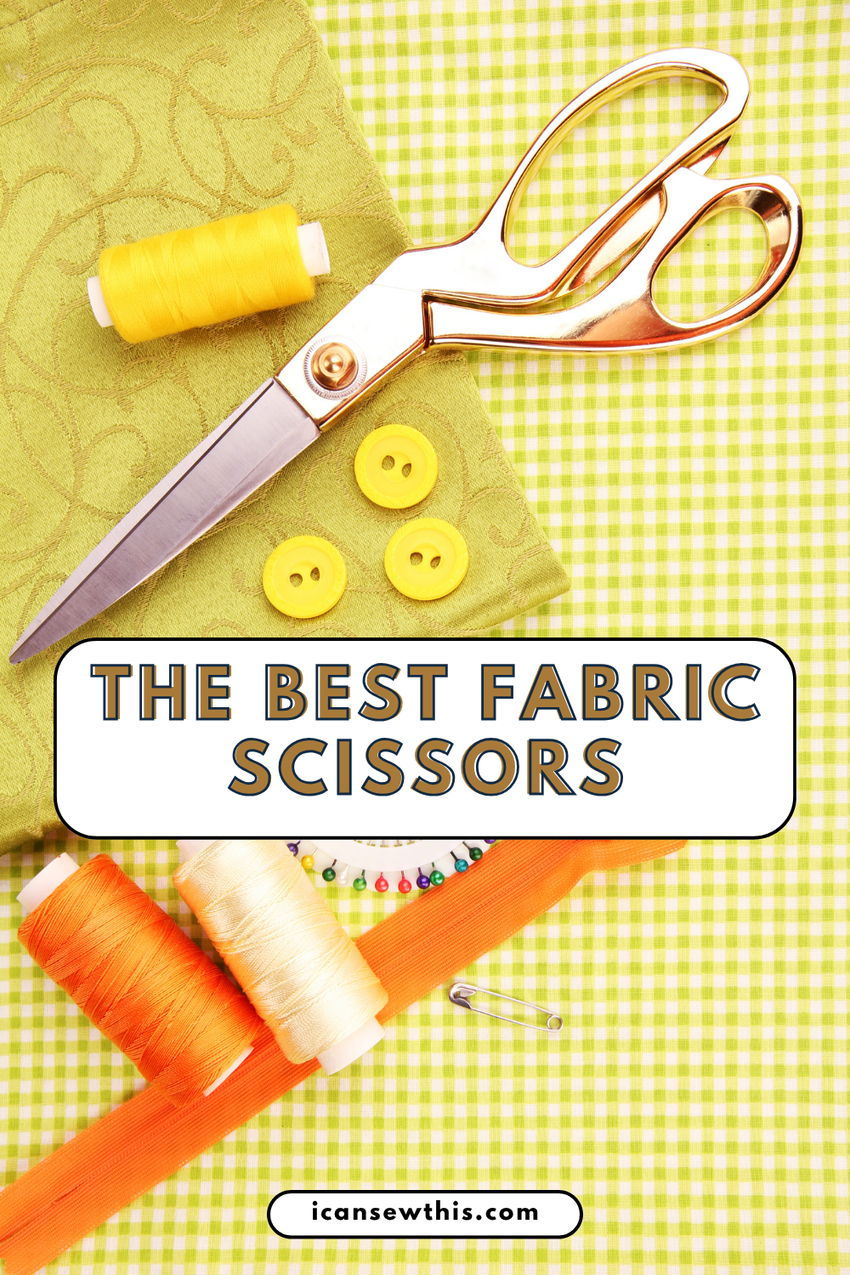
Fabric scissors buying guide: 4 factors that matter
Before clicking buy, consider how these physical traits match your cutting habits and body mechanics.
1. Tool weight: stability vs fatigue
Heavy forged shears (like Gingher) use gravity and momentum to slice through tough fibers. The weight stabilizes your hand line, preventing wobbly cuts. However, if you have reduced hand strength, heavy metal shears will tire your hand quickly. Lightweight shears with ergonomic composite handles (like Fiskars) let you cut for hours without forearm fatigue.
2. Handle design and ergonomics
Look closely at the finger loops. Traditional tailor shears have rigid metal loops that give maximum feedback but can press hard into your thumb bone. If you cut frequently, rubberized touchpoints or spring-assisted handles make a massive difference in everyday comfort.
3. Blade length and cutting style
- 8-inch blades: The versatile standard. Perfect balance between cutting speed on straight seams and nimbleness around tight armscyes and necklines.
- 9.5 to 10-inch blades: Best for long, sweeping straight cuts on curtains, bedding, or wide garment skirts. They make quick work of long yardage, but feel clumsy on small baby clothes.
4. Right-handed vs true left-handed blades
Most shears are molded for right-handed use. When a right-handed person cuts, the upper blade sits on the left, giving a clear sightline directly to the marked pattern line while natural hand pressure pushes the cutting edges together.
If you are left-handed, using ambidextrous handles helps with grip, but true left-handed shears reverse the blade overlap so you can see your cut line and maintain proper blade tension.
Care and maintenance: keep your shears razor-sharp
Even the best pair of shears will go dull if treated poorly. Follow these simple rules to keep your cutting edges pristine:
- Fabric only, no exceptions: Paper contains wood pulp and mineral fillers that dull fine steel edges in just a few cuts. Label your fabric scissors clearly, or tie a bright ribbon around the handle so family members do not grab them for opening Amazon packages.
- Wipe down after use: Synthetic fabrics and fleece shed tiny microscopic dust particles. Wipe your blades with a clean microfiber cloth after cutting to remove lint and moisture.
- Oil the pivot screw: Once or twice a year, place a tiny drop of clear sewing machine oil directly onto the pivot screw joint. Open and close the shears a few times, then wipe off any excess oil completely before touching fabric.
- Store them closed: Keep your shears closed and protected inside a sheath or dedicated tray. Dropping shears onto a hard floor with the blades open can nick the delicate cutting edge or knock the pivot screw out of alignment.
Frequently asked questions
Can fabric scissors cut paper in an emergency?
Technically yes, but you should avoid it. Paper is manufactured with abrasive wood pulp, clays, and chemicals that act like micro-sandpaper on finely honed cutting edges. Cutting paper just a couple of times can roll the delicate razor edge of your fabric shears, causing them to snag and chew silk or knits the next time you sew.
How do I know when my fabric shears need sharpening?
When fabric shears need attention, they stop slicing cleanly through the last half-inch of the tip. If you notice your shears pushing fabric forward instead of cutting it, or folding thin fabrics between the blades instead of slicing them, your blades have either dulled or the pivot tension needs adjusting.
Can I sharpen my fabric scissors at home?
You can use rotary sharpening gadgets for basic utility shears, but high-end knife-edge shears (like Gingher or tailor shears) should be taken to a professional knife and scissor sharpener. Professional sharpeners use wet stones at precise factory bevel angles, preserving the blade life without grinding away unnecessary metal.
Upgrading your fabric scissors is one of the easiest ways to instantly improve your sewing results. Clean, accurate pattern pieces fit together better, press flatter, and make sewing far more enjoyable.
Which fabric shears do you keep on your cutting table, or are you ready to retire that dull old pair? Leave a comment below and share your favorite cutting tools!
Let’s keep in touch! You can find me on Facebook, Instagram, and Pinterest.
I just keft his comment which was rejected because it says I already posted similar comment. I just discovered your site last week so that is not possible. Anyway here it is…..I’ve always used Fiskars because they’re good, inexpensive and because of their lifetime warranty I have about 12 pairs of different styles including pinking shears. I wish someone made a shorter pair of detailed pinking shears to get into small places easier. Thanks for your helpful site.
Hi Virginnia,
So sorry for the late reply! I forgot to log in and check the comment section, life has been hectic lately with our first international move. Thank you so much for you comment! I wish you all the best!
I’ve always used Fiskars because they’re good, inexpensive and because of their lifetime warranty I have about 12 pairs of different styles including pinking shears. I wish someone made a shorter pair of detailed pinking shears to get into small places easier. Thanks for your helpful site.