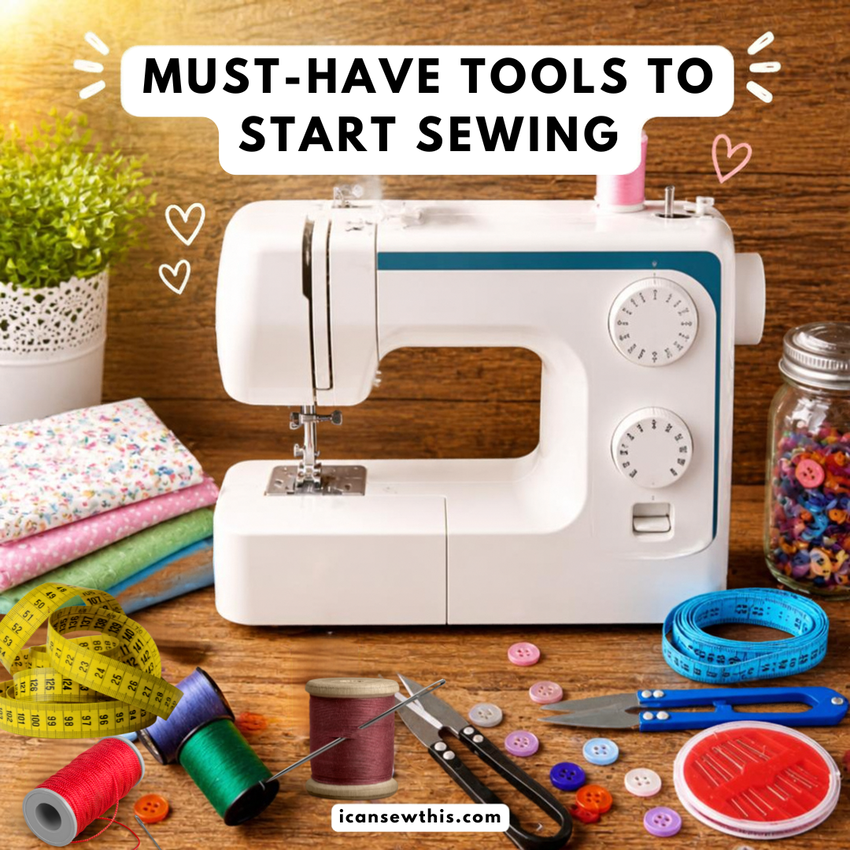
Starting to sew is an exciting adventure, but walking into a craft store without a plan can feel overwhelming. Aisles of gadgets, notions, and specialty feet compete for your attention, leaving you wondering what you actually need to sew your first project.
You do not need an entire room full of expensive equipment to get started. What you really need is a solid toolkit of reliable, versatile essentials that will make cutting accurate, measuring effortless, and stitching frustration-free.
A few well-chosen tools can make or break your sewing productivity and mojo. Here is the ultimate sewing supplies list of 12 must-have items every beginner needs to kick off their DIY journey with confidence!
Cutting and unpicking essentials
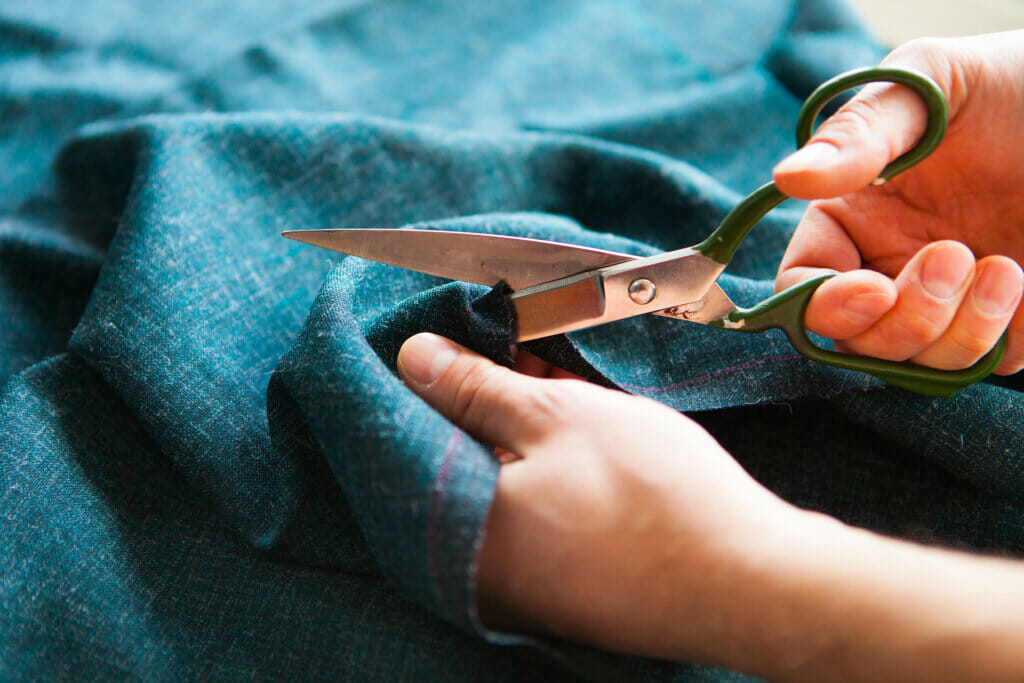
Sharp fabric shears
A high-quality pair of dedicated fabric shears is the cornerstone of any sewing setup. Fabric scissors feature long, angled blades designed to slice through textiles cleanly along a table surface without chew marks, fraying, or snagging.
Keep a strict rule in your sewing room: tag these scissors for “fabric only”. Never use them to cut paper, plastic packaging, or cardboard. Cutting paper dulls the fine edge quickly, ruining your scissors for delicate fabrics.
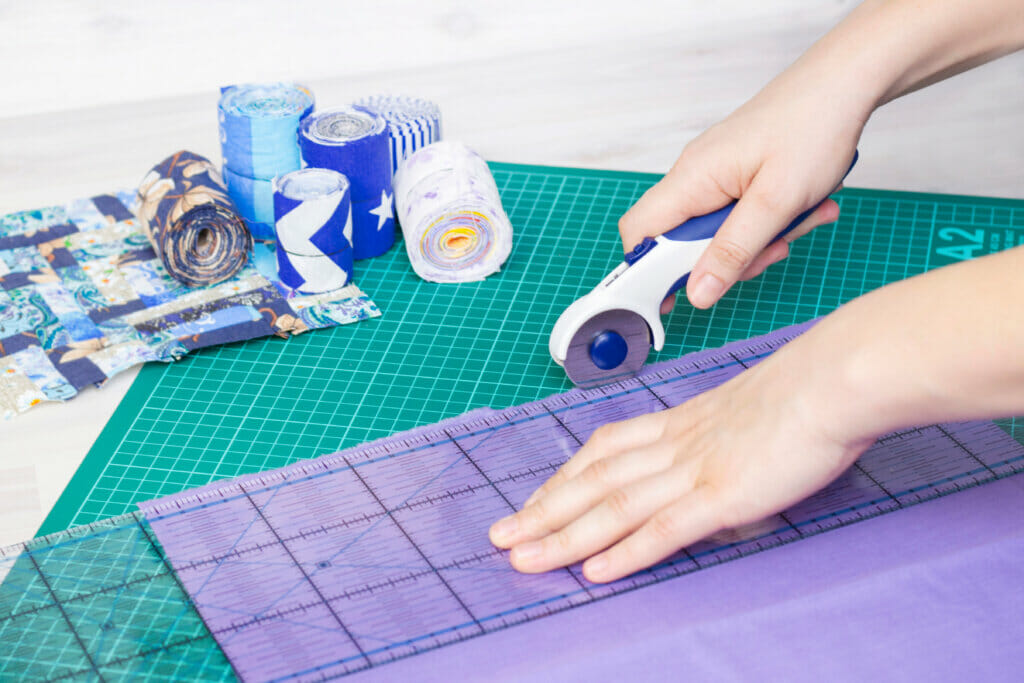
Self-healing cutting mat and rotary cutter
Pairing a self-healing mat with a rotary cutter speeds up your cutting time dramatically while keeping lines razor-sharp.
The mat absorbs the blade’s cut and closes up smoothly, protecting your work surface while giving you a grid to keep grainlines straight. A rotary cutter rolls effortlessly through multiple layers of woven cotton or slippery knits at once, preventing the shifts and bumps that often happen when lifting fabric with standard shears.
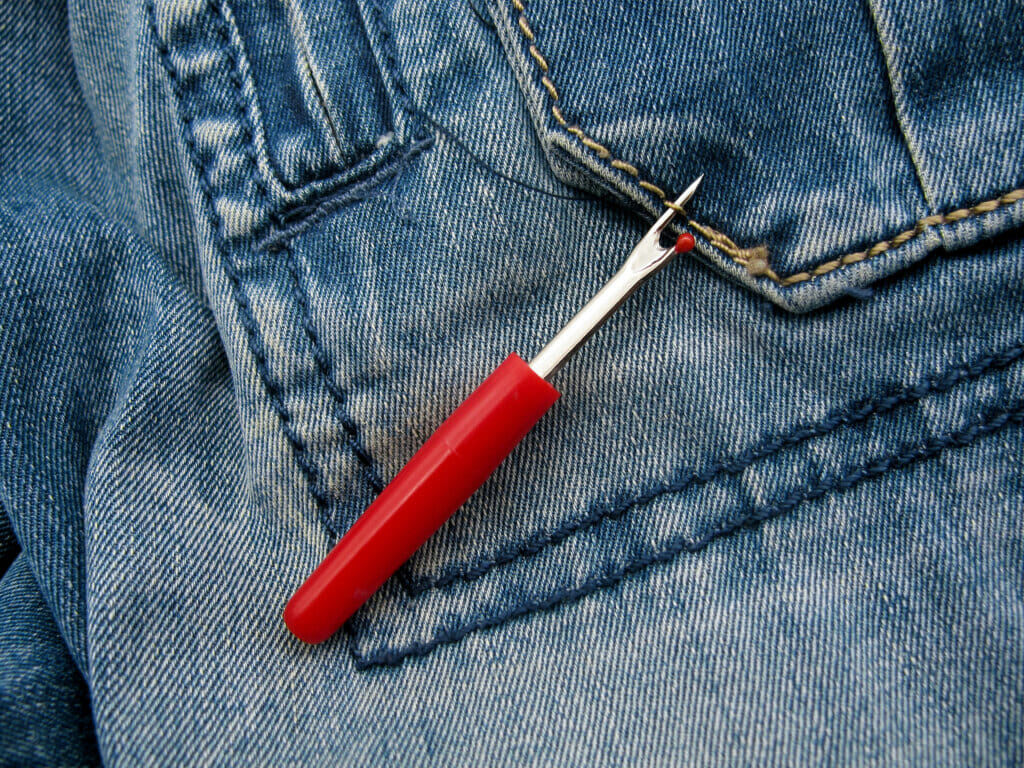
Sharp seam rippers
Unpicking stitches is a normal, everyday part of the creative process. A sharp seam ripper slips neatly under tiny machine stitches, cutting threads cleanly without tearing the surrounding fibers.
Beyond undoing mistakes, a seam ripper is essential for slicing open machine-sewn buttonholes cleanly and removing basting stitches, tags, or buttons. Keep at least two on hand so you always have a backup ready when one wanders under a pile of scraps.
Precision measuring and marking tools
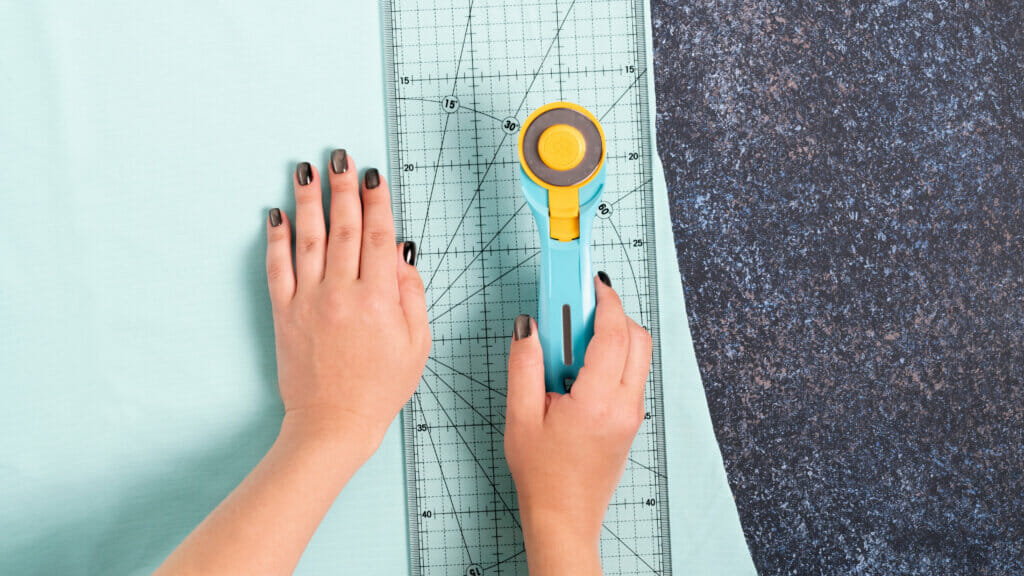
Acrylic clear ruler
A thick, clear acrylic ruler is indispensable for squaring up fabric cuts, drafting simple patterns, and checking bias angles.
Because the ruler is transparent with a printed grid, you can see your fabric grainline directly underneath while marking or cutting with a rotary blade. It makes folding hems, measuring pleats, and checking seam allowances fast and remarkably accurate.
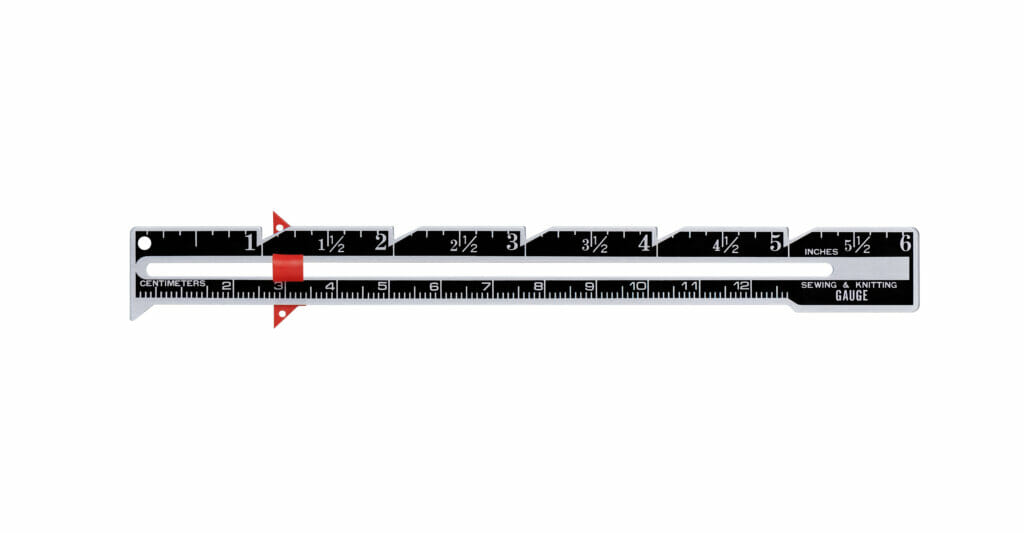
Multifunctional seam gauge
A seam gauge is a small, 6″ metal or plastic ruler fitted with a sliding marker. It is one of the handiest, most affordable tools in any sewing kit.
Set the slider to your desired measurement to quickly mark consistent hems and check seam allowances across curved lines. You can also map out perfectly spaced buttonholes without repeatedly eyeing a long ruler.
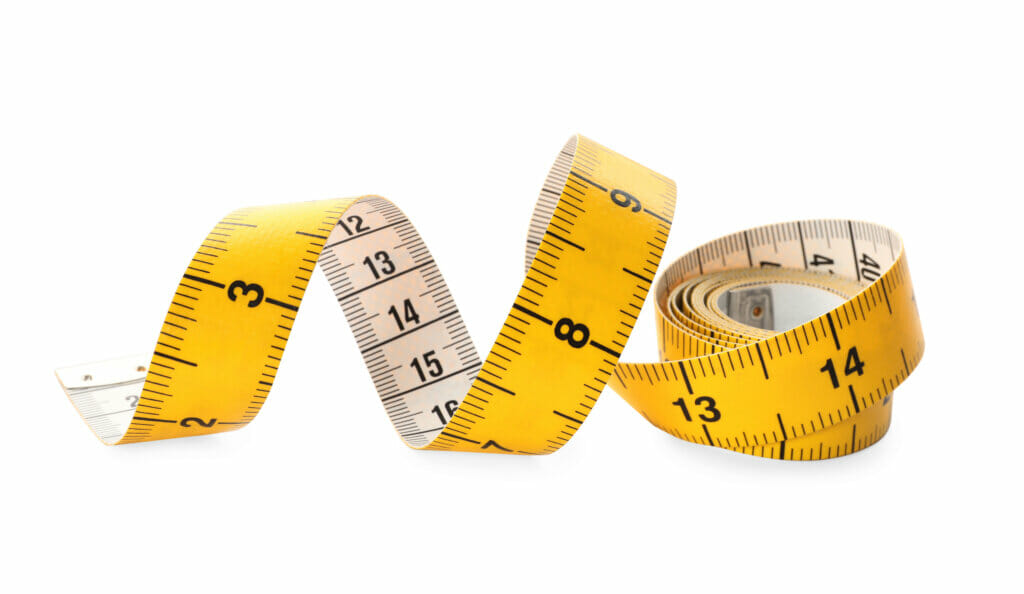
Flexible measuring tape
A classic vinyl or fiberglass measuring tape is a staple for both garment sewing and home decor projects.
Unlike rigid rulers, a soft tape flexes smoothly around body curves, making it essential for taking accurate bust, waist, hip, and inseam measurements. It’s also great for checking curved necklines, armholes, and pattern pieces against actual dimensions.
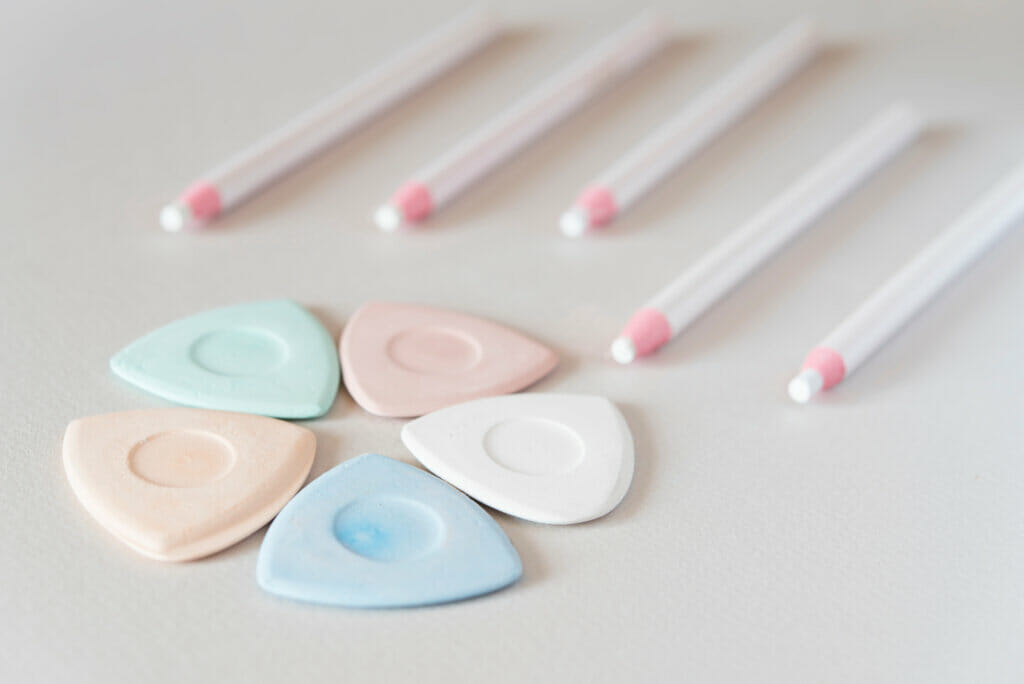
Fabric chalk and marking pens
Every project requires transferring pattern notches, dart points, and button positions onto your material.
Keep tailor’s chalk or heat erasable fabric pens in your toolkit. They draw smooth, visible lines across light and dark fabrics without snagging, and the marks brush away easily with a damp cloth or fade under a steam iron once your seam is finished.
Pressing and machine essentials
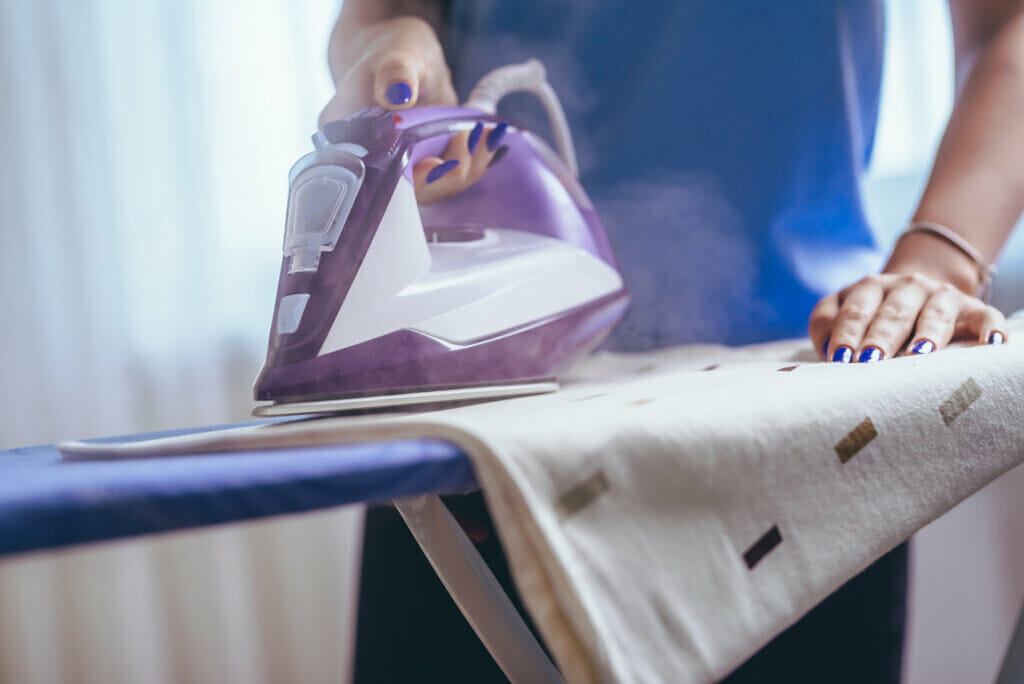
Steam iron and ironing board
Sewing is 50% stitching and 50% pressing. A reliable steam iron is not optional if you want your handmade projects to look crisp, professional, and store-bought rather than homemade.
Use your iron to press out creases in your fabric before cutting, meld stitches into the fibers as you sew, and press open seam allowances for flat, sharp garment lines. Never skip pressing between construction steps!
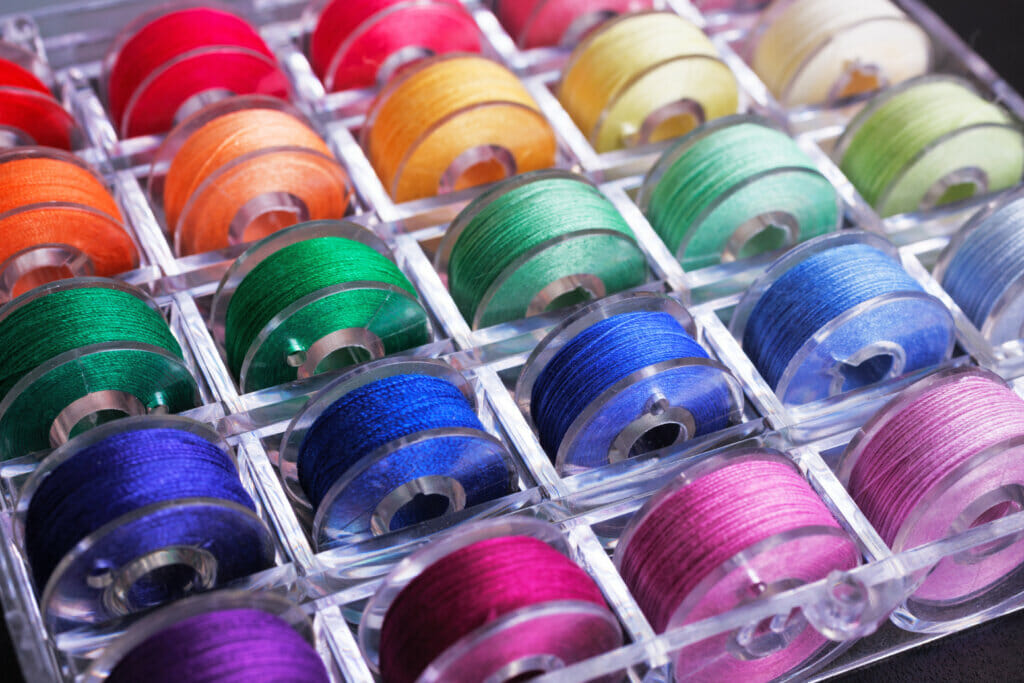
Sewing machine bobbins
Your sewing machine usually includes a couple of bobbins in the box, but you will quickly run out once you start working with different thread colors.
Aim for a supply of 20 to 30 empty bobbins. It saves you from having to wind over old thread or unspool precious yardage just to switch colors. Always check your machine manual to ensure you purchase the exact bobbin style (such as Class 15, Class 15J, or Class 66) engineered for your specific machine model.
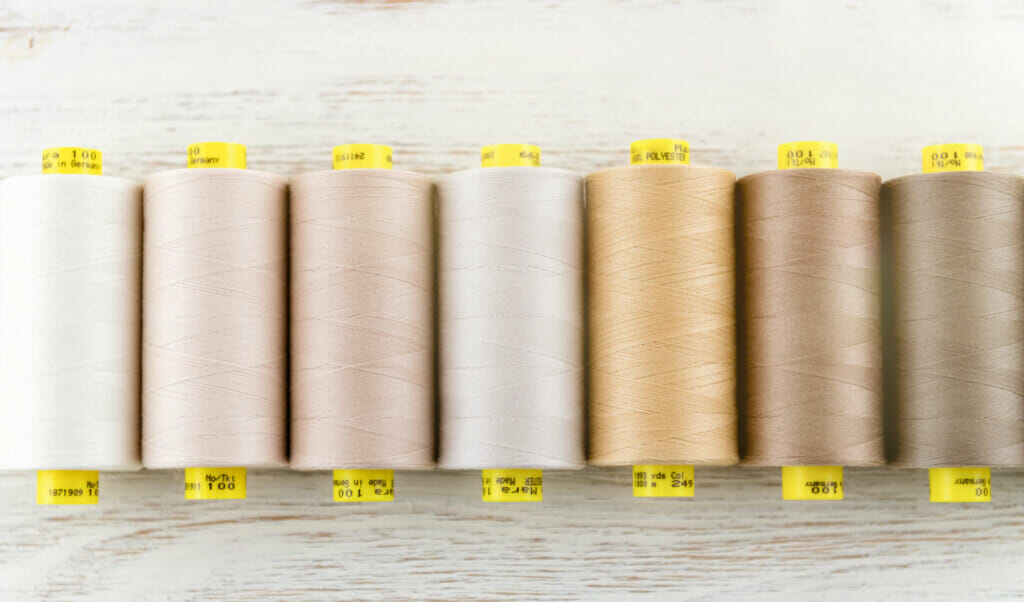
High-quality polyester sewing thread
Never cut corners on thread! Bargain-bin or no-name threads often have uneven thicknesses, shed heavy lint into your bobbin assembly, and snap easily under standard tension.
Invest in a reputable brand of all-purpose polyester thread (such as Gutermann, Coats & Clark, or Mettler). Quality polyester thread provides high tensile strength, smooth feeding, and a slight natural elasticity that holds your seams together through countless wash cycles.
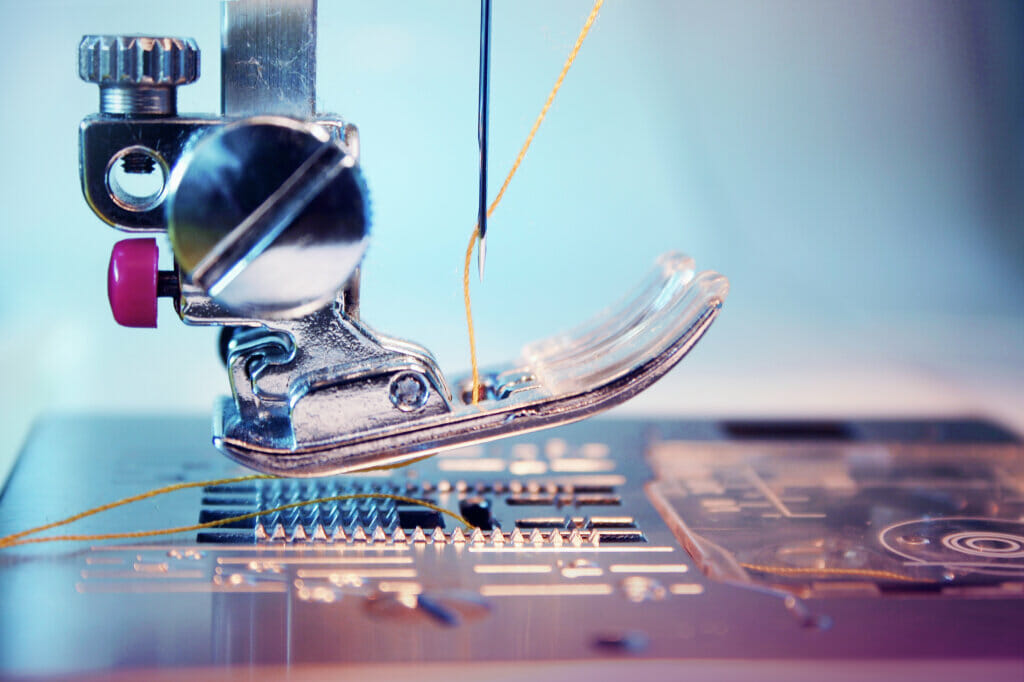
Fresh sewing machine needles
Dull, bent, or incorrect needles cause skipped stitches, shredded thread, and snagged fabric.
Keep an assortment of fresh needles ready in your kit. This includes universal needles for standard wovens, ballpoint or stretch needles for knits, and heavy denim needles for thick twills and strap webbing. Replace your needle after every 6 to 8 hours of sewing or at the start of every new project to keep your machine running smoothly.
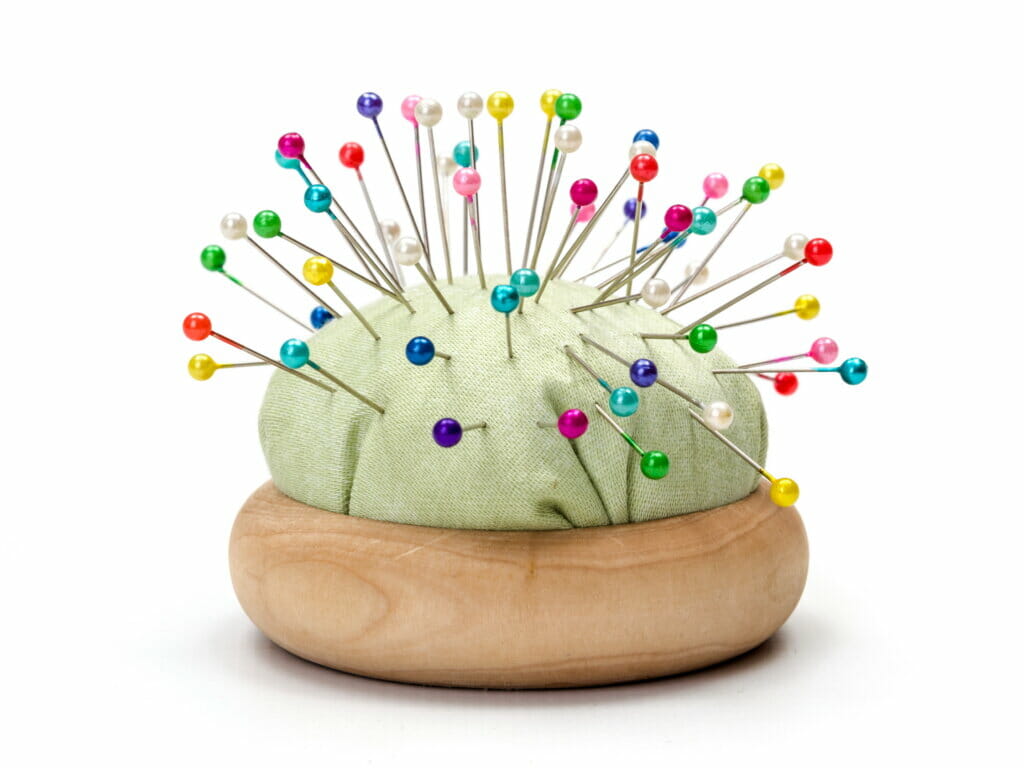
Sewing pins and a pincushion
Pins hold fabric layers securely together while cutting and keep seam lines lined up before they reach the needle.
Choose fine, glass-head pins that will not melt if touched accidentally by a hot iron. Pair them with a classic fabric pincushion or a magnetic pin bowl so you can quickly grab and drop pins without slowing your sewing rhythm.
Investing in these 12 core sewing supplies gives you a dependable foundation for any DIY craft, garment, or home decor project you want to tackle. Quality tools make learning to sew enjoyable, save you hours of troubleshooting, and keep your attention focused on building your creative skills. Round up these essentials, clear your workspace, and enjoy making your next handmade creation!
You might also love:
- Best tips for sewing straight lines on your machine
- Easy flat front elastic waist shorts patterns
- How to sew a comfy fabric headband
- Easy DIY customizable maxi and midi skirt – free sewing pattern
Let’s keep in touch! You can find me on Facebook, Instagram, and Pinterest.

I love this post! I have been sewing for years and I always forget some of the basics. Thanks for reminding us!
What about a good sewing light? I would say that is the 13th item, and ALL of them are necessary to successful sewing.