
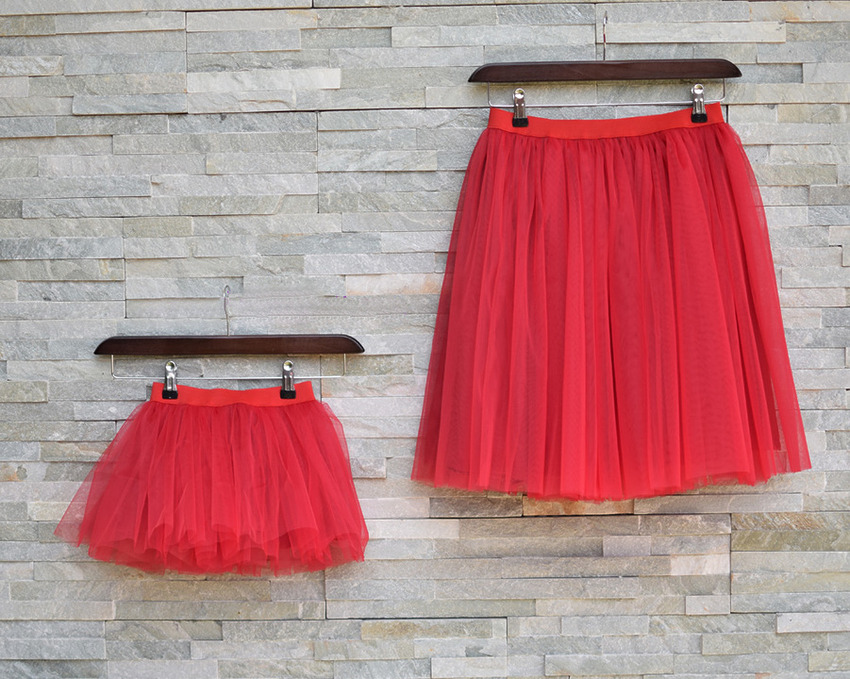
Today, let’s take a fun trip down memory lane. Years ago, I ran a small online business named “Sew Violet” where I hand-made and sold custom tulle skirts. Every week, my craft table was piled high with clouds of pastel netting, shiny satin lining, and glittery elastic bands.
Recently, I stumbled upon a forgotten archive folder filled with hundreds of photos from those early business days. Looking back at these makes brought such a flood of joy.
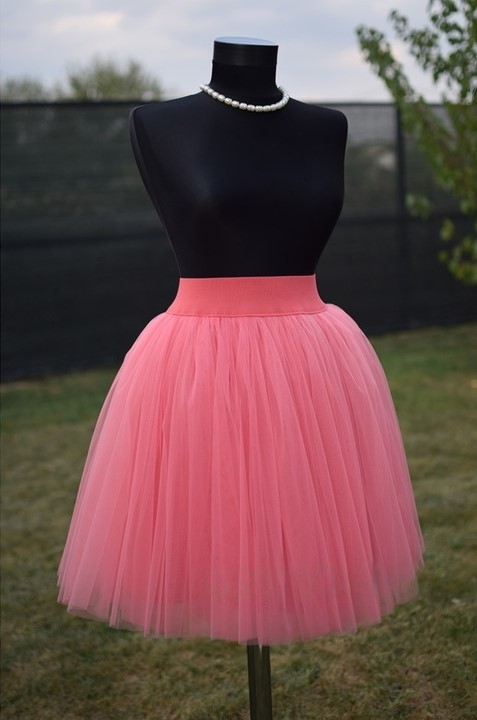
I used to hesitate to share these older pictures because of the old shop watermarks and my simple backyard photography – an unfinished fence line, young apricot trees, and patchy grass. Looking at them now, I see the beauty of the craft: the sunsets, the rich colors, and the sheer magic of twirling in a cloud of handmade netting.
If you have been thinking about making a tulle skirt for yourself, a daughter, or a special event, let these real-world projects spark your imagination. Here is how to plan your fullness, combine your layers, and sew a DIY tulle skirt that turns heads.
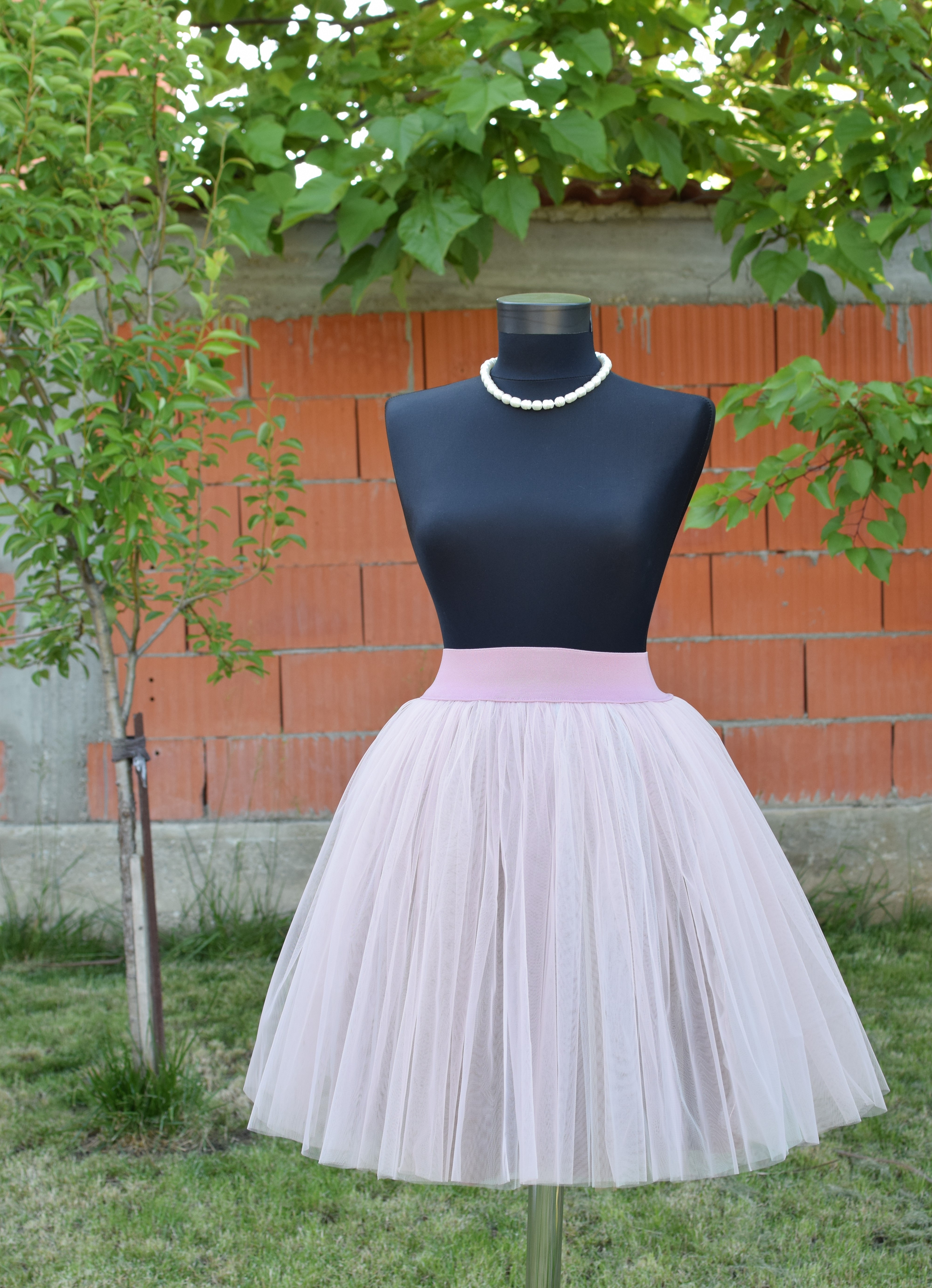
Design formulas for making a tulle skirt
The basic construction anatomy
Almost every skirt featured in this collection uses the exact same reliable structure from my simple tulle skirt tutorial:
- The outer shell: Two to three individually gathered layers of 118-inch-wide soft polyester bridal tulle.
- The lining: A smooth, opaque half-circle skirt cut from satin fabric to prevent see-through issues and keep the netting from clinging.
- The waistband: A plush, comfortable strip of exposed decorative elastic that simplifies sewing by skipping zippers, buttons, or fussy casings.
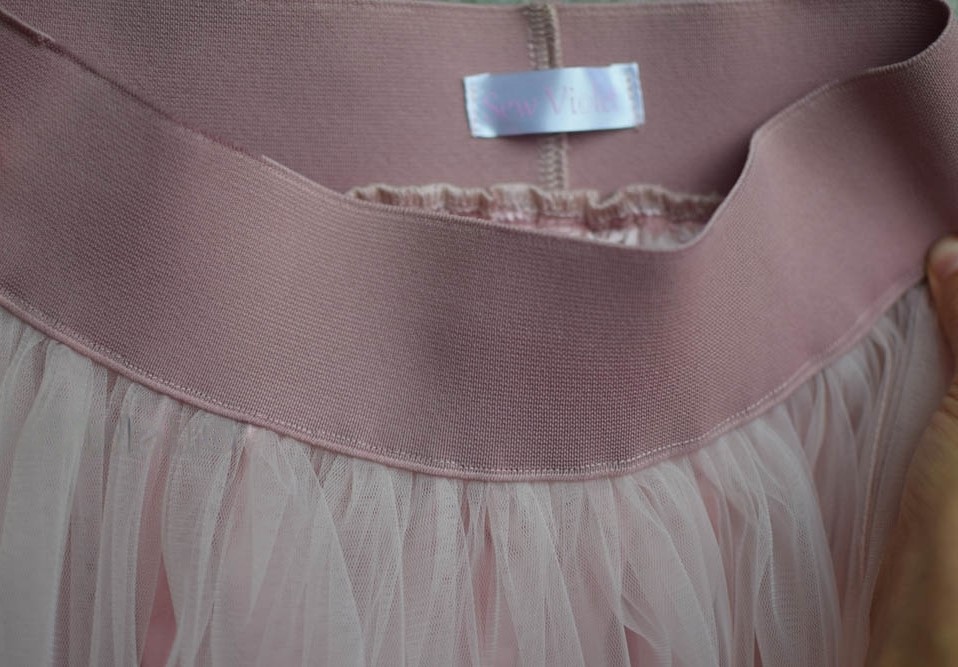
How to adjust fullness when making a tulle skirt
The absolute best part of tackling a DIY tulle skirt is how easily you can customize every detail. You are not locked into one silhouette. You can adjust the length, the sheer layer transparency, and the overall bounce to match the exact fabric yardage you have on hand.
When figuring out how to make a layered tulle skirt that matches your vision, you can tweak two main variables:
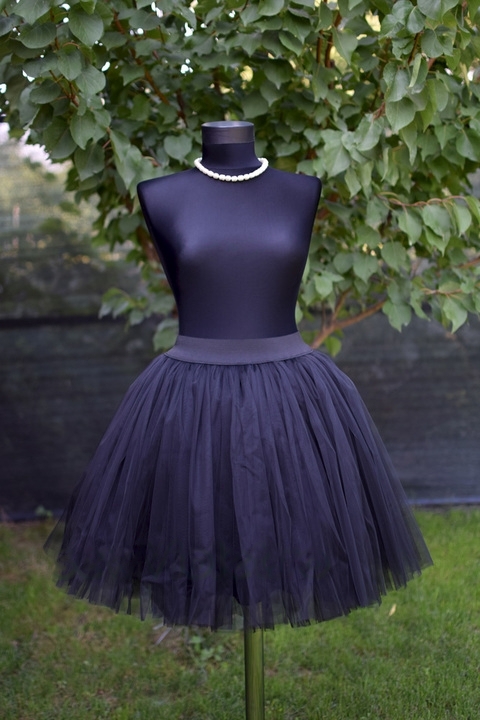
- The number of tulle layers: Using two layers creates a lightweight, floaty drape that works for everyday wear. Bumping up to three or four layers delivers dramatic, fairytale princess volume.
- The total cut width of each layer: The gathering ratio determines how dense the waistline feels. Your cut width per layer can range from 54 inches (a subtle line) up to 250 inches (rich, compact gathers).
A single tulle layer measuring 54 inches wide looks relatively sleek and straight. A skirt featuring four layers that are each 200 inches wide creates massive, theatrical ballgown fullness.
Two layers cut at 118 inches wide provide roughly the same visual volume as one single ultra-wide layer cut at 240 inches. Spreading that fullness across multiple distinct layers gives your skirt more dimension and movement.
Secrets for how to make a layered tulle skirt
Why gathering layers individually makes a difference
When sewing multi-layer skirts, it is tempting to stack all your tulle panels together and run a single basting stitch across the top.
Avoid doing this. Gathering multiple netting layers together causes the fabric to bunch up into bulky, stiff lumps under your presser foot.
Instead, run a gathering stitch along each tulle tier separately, pull the bobbin threads to match your waist measurement, and then nest the gathered layers inside one another. This keeps the waistline seam remarkably flat while letting each sheer tier float freely over the next.
Creating color depth with layered netting
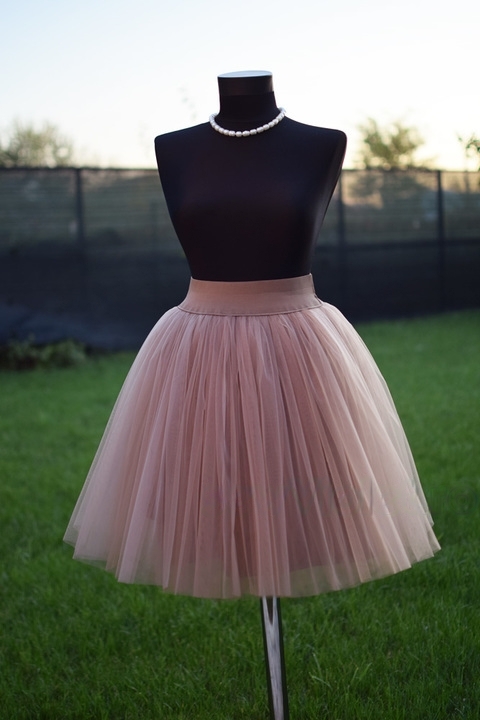
Do not feel limited to a single solid shade. One of the most creative tricks when making a tulle skirt is layering complementary colors over each other.
- Place a layer of lavender tulle over a blush pink layer for an iridescent, sunset glow.
- Layer champagne or ivory tulle over a metallic gold satin lining for a rich bridal feel.
- Add an under-layer of black netting beneath deep crimson or navy for dramatic, moody contrast.
Tips on how to make tutu skirts for little ones
Choosing the right netting for sensitive skin
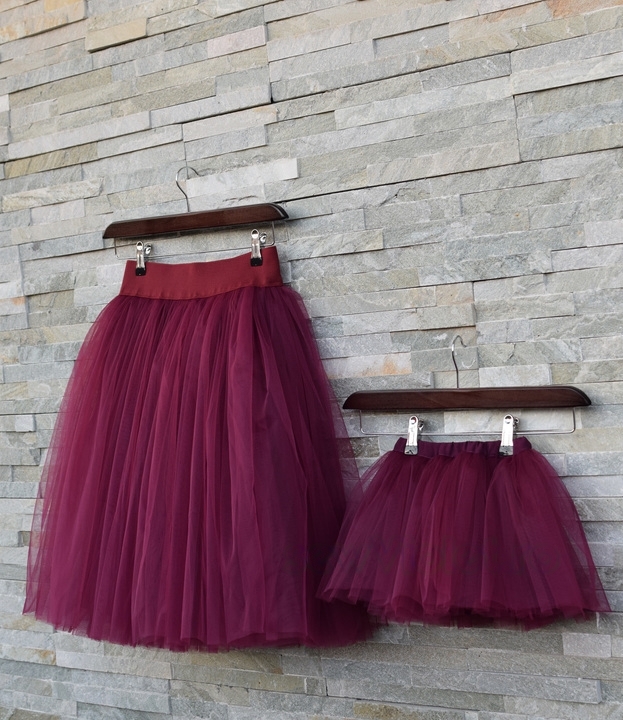
If you are learning how to make tutu skirts for toddlers or young girls, fabric choice matters above all else.
Stiff crinoline or craft netting is too scratchy against bare legs. Always opt for soft nylon tulle or super-wide polyester apparel tulle. It retains its cloud-like shape and bounce while remaining soft, light, and gentle on sensitive skin.
Waistband options that last through growth spurts
For kids, exposed plush elastic is unmatched. It cuts sewing time in half, stays flat against the tummy, and stretches comfortably through growth spurts and active play dates. Simply stitch your gathered tulle and lining tiers together, pin the gathered seam allowance to the wrong side of the stretched elastic, and stitch in place with a flexible zigzag stitch.
More DIY tulle skirt tutorials to try
Ready to pick your fabric and warm up your machine? Check out these detailed guides to try different styles:
- How to make a tiered tulle skirt – Perfect for building cascading, ruffled volume from waist to hem.
- Gathered tutu skirt – A fast, adorable make designed specifically for little dancers.
- Circle tulle skirt – Offers smooth waistlines with endless twirl through the hemline.
- Easy one-seam tutu skirt – The fastest way to sew a sweet skirt in under an hour.
Making a tulle skirt is one of the most rewarding DIY fashion projects you can tackle. There is something truly special about taking flat yards of sheer netting, running a few rows of gathers, and creating a wearable, fairytale piece with your own hands. Pick your favorite colors, experiment with your layer counts, and enjoy every twirl in your new handmade creation.
Let’s keep in touch! You can find me on Facebook, Instagram, and Pinterest.
Tyf sharing how to make a tufu. look forward to making one for my great granddaughter. easy to follow & understand ur instructions.
Thank you for inspiring. me. You have beautiful ,mannequins,that display your artwork. I’m from NYC,but I live in Birmingham, Alabama.
I still have my mothers mannequin. Its probably over 90 years old. Mother was a seamstress,so I have fond memories of her sewing & all the fitting s. Glad to know you. Thanks for listening.
Maria Kalaff
This is such a kind and thoughtful comment, Maria! Your message makes my day brighter. Thank you very much, and I sincerely wish you all the best! Big hug!